
SUSTAINABILITY GOVERNANCE
At UG Healthcare, our sustainability goal is to collaborate with our prioritised stakeholders, including customers, employees, business partners, and the communities where we operate, to foster positive change and progress. We believe that our sustainability strategy, which embraces EESG areas such as labour practices and societal responsibilities, represents a holistic approach prioritising inclusivity and contingency planning, forming the foundation of our organisational culture.
Through this sustainability approach, the Board and management embed sustainable values within the Group and effectively communicate these principles to our external stakeholders. We believe that proactively addressing the EESG impacts within our operations will enable us to better manage the inherent risks and opportunities present in our business, thereby fostering stable and sustainable value for our stakeholders.
To reinforce our Group’s commitment to sustainability, we have established the Sustainability Reporting Policy, which outlines the framework for our sustainability reporting. Through ongoing education and training, the Board remains informed about the increasing concerns surrounding sustainability and climate-related matters.
The Group has established a Sustainability Committee (“SC”) composed of key management executives responsible for overseeing various departments within the organisation. The Group’s Joint Chief Executive Officers (“CEOs”) oversee the SC and provide reports to the Board for advice and guidance. Any sustainability concerns related to the Group’s operational risks and opportunities will be raised with the SC. The SC will assess the aspects of enterprise risk management related to the identified concerns before presenting its findings to the Joint CEOs, who will then report to the Board. The Board monitors the SC by evaluating the relevance of practices implemented to address potential sustainability challenges. Furthermore, the Board would consider these findings when formulating strategies and policies to better manage future sustainability challenges. This approach ensures that all EESG and climate-related matters material to the business are duly considered and addressed.
While the Board is responsible for reviewing and deliberating on the sustainability concerns, the SC is tasked with ensuring that EESG factors and climate-related matters are continuously monitored and effectively managed. The SC reviews the Group’s sustainability performance and identifies material topics, while also analysing climate-related risks and opportunities, addressing stakeholder concerns, and setting targets and goals for the material EESG factors. Furthermore, the SC establishes systems to collect, verify, monitor, and report the information necessary for sustainability reporting. The SC convenes at least once a year to discuss, propose, coordinate, and promote the Group’s sustainability practices.
The Company is committed to meeting the SGX-ST’s updated climate reporting requirements, as announced on 25 August 2025, which entail the gradual adoption of the IFRS Sustainability Disclosure Standards issued by the ISSB with the selected GRI Standards framework.
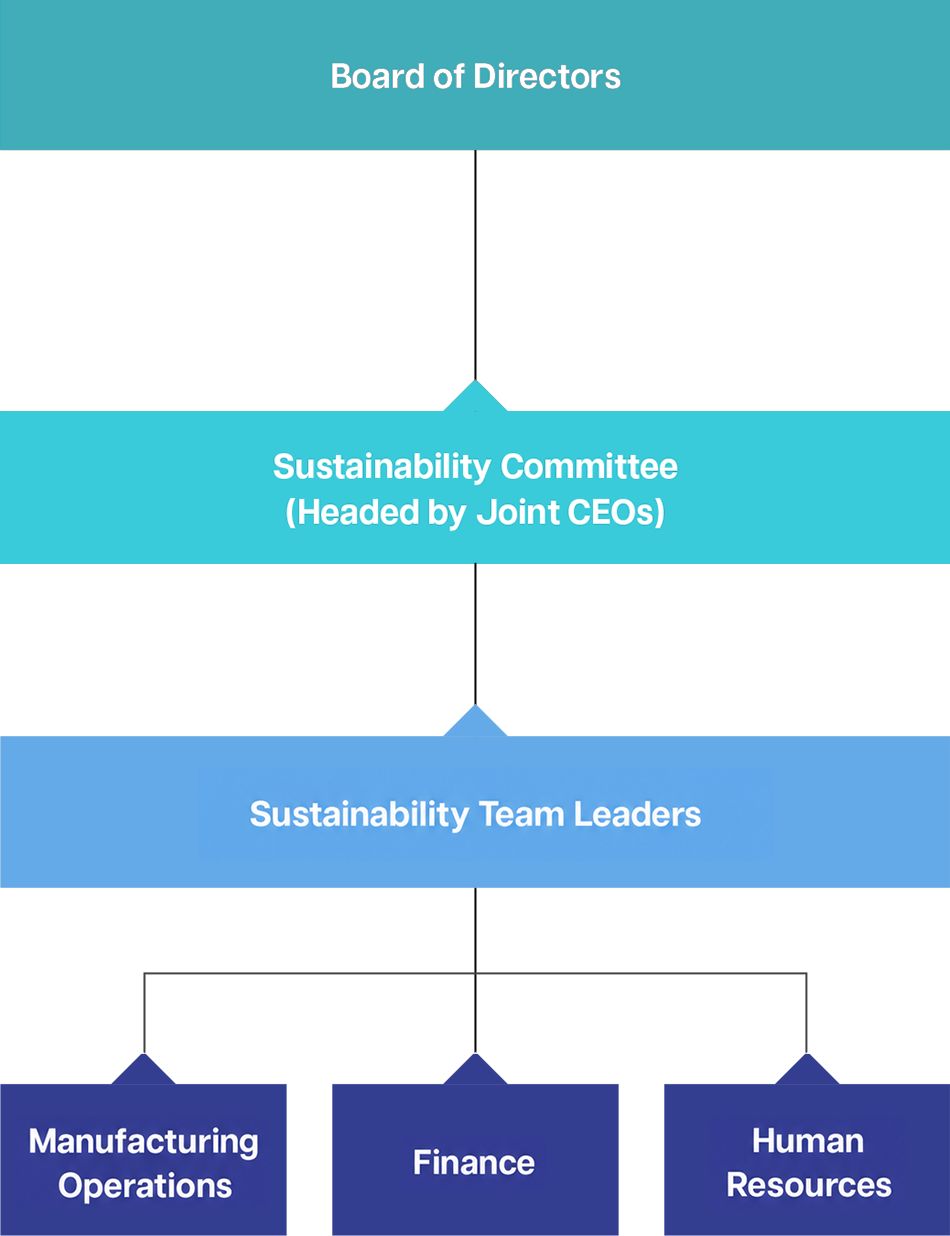
- Reviews and evaluates sustainability concerns and climaterelated risks and opportunities, ensures internal policies and practices are effectively implemented, meets regulatory compliance, and approves general policies and strategies.
- Reviews and evaluates the effectiveness of systems and
processes to address sustainability issues, including
climate resilience and risk contingency.
- Monitors and reviews the sustainability performance of identified material topics, as well as the potential impacts of climate-related risks and opportunities, and stakeholder concerns.
- Establishes priority areas for improvements in sustainability
and overall governance.
- Identify and evaluate material topics, climate-related risks and opportunities, and stakeholders' concerns. Establish and update targets and priorities to improve sustainability initiatives, and integrate information to formulate policies and procedures that address operational gaps within the organisation.
- Implement systems and processes, and enforce practices throughout the organisation, collect and monitor information to evaluate materiality, as well as potential operational risks and opportunities, in order to achieve goals related to the identified material topics.
We believe that the ethos of the Group, together with our conscientious efforts to manage our businesses responsibly, reflects our gratitude for the trust and support of our stakeholders and safeguards their interests.
Please refer to the Sustainability Report in the Company’s latest annual report for more details.